%2Ffit-in%2F250x250%2Fguide_websites%2F5085%2Fimages%2Fowlogo.png&w=1920&q=100)
Mahi Mahi Catch at Old Orchard Beach ME
Mahi Mahi Fishing in Old Orchard Beach - What to Expect
%2F%2Fusers%2Fd5c83a9a-1a0b-45c3-9514-0a0cc54a95a3%2Fimages%2Fmahi-mahi-old-orchard-beach-2630.jpg&w=1920&q=75)
Fishing Charter by Captain Owen Whitehead in April
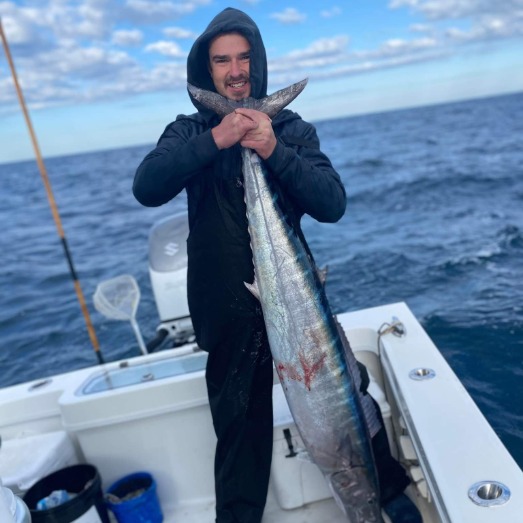
Meet your Captain Owen Whitehead
- Premier Inshore Fishing in Maine & Florida


Summary
Join Captain Owen Whitehead on a fishing charter at Old Orchard Beach, Maine on Tuesday, April 15. This offshore expedition targets mahi mahi, a hard-fighting pelagic species that delivers both action and table-quality results. Learn what makes Maine waters prime habitat for this tropical-adapted fish and how local techniques bring consistent success.
Fishing Charter with Captain Owen Whitehead - Rates & Booking
Captain Owen Whitehead of Fin N' Juice Charters operates out of Old Orchard Beach on Tuesday, April 15. This fishing charter targets mahi mahi and other pelagic species in Maine's coastal waters. To book your charter, contact Fin N' Juice Charters directly for current rates, availability, and specific trip details. Captain Whitehead brings local expertise and knowledge of seasonal mahi mahi movements along the Maine coast.
Highlights of Your Mahi Mahi Charter
Mahi mahi are known for their aggressive strikes, acrobatic jumps, and colorful displays both in water and on the boat. These fish respond well to live bait, casting techniques, and trolling methods that experienced guides deploy to increase hook-ups. The April timeframe offers improving water temperatures and increasing mahi mahi activity as they migrate northward along the Atlantic coast.
Old Orchard Beach provides proximity to productive offshore grounds where mahi mahi gather around structure, current breaks, and baitfish concentrations. The combination of charter access and Captain Whitehead's local knowledge creates conditions for both memorable action and successful fish harvests.
Local Species Insights: Mahi Mahi
Mahi mahi are warm-water pelagic fish that thrive in waters ranging from 72 to 84 degrees Fahrenheit. They are fast-growing, aggressive predators that feed on smaller baitfish and squid. Their iridescent colors - brilliant greens, blues, and golds - intensify when feeding or hooked, making them visually striking both in the water and during catch photography. Mahi mahi travel in small groups called schools, which means multiple hook-ups during a single encounter are common and highly rewarding for anglers.
These fish exhibit explosive feeding behavior, often leaping clear of the water when pursuing prey. When hooked, they continue this aerial acrobatic display, making them among the most exciting species to fight on light to medium tackle. Their speed and power require responsive technique, sharp hooks, and appropriate rod selection. The species has become increasingly available to charter anglers fishing out of Maine ports, particularly during spring and summer months when water temperatures support their presence.
Mahi mahi habitat centers on offshore structure including continental shelves, underwater ridges, and areas where current meets deeper water. They congregate around floating debris, sargasso weed mats, and areas rich in baitfish. Understanding these habitat preferences allows guides like Captain Whitehead to position clients in high-probability zones, reducing downtime and increasing the likelihood of productive fishing.
Anglers targeting mahi mahi benefit from casting live bait, trolling with diving plugs or feather rigs, and sight-casting to surface-feeding fish. The species responds aggressively to commotion, bright colors, and natural bait presentations. Their feeding windows often intensify during dawn and dusk periods, though active feeding can occur throughout the day when proper depth and structure exist.
Charter fishing for mahi mahi provides not only the thrill of hook-ups and battle but also table-quality results. The flesh is white, mild, and versatile for culinary preparation. Many charter operators, including those at Fin N' Juice Charters, provide guidance on filleting, storage, and preparation methods so clients can maximize their catch.
Plan Your Fishing Day
A typical mahi mahi charter from Old Orchard Beach involves early morning departure to reach offshore grounds during prime feeding periods. The trip combines time spent motoring to productive structure, actively fishing with multiple presentations, and adjusting tactics based on conditions and fish behavior observed throughout the day. Clients should expect moderate to heavy action during peak feeding windows and be prepared for variable sea state depending on seasonal conditions. Proper gear, sun protection, and hydration are essential for comfort during a full day on the water.